Digital marketing sites have become indispensable tools in today’s interconnected world, serving as vital platforms for businesses, organizations, and individuals to reach wider audiences and achieve strategic objectives. The proliferation of internet access and the increasing reliance on online channels have fundamentally shifted how marketing is conducted, necessitating a deep understanding of these sites. From social media networks to search engine optimization platforms, these digital spaces offer unprecedented opportunities for growth and engagement.
The global relevance of digital marketing sites is underscored by their pervasive influence across industries and geographical boundaries. According to Statista, global digital ad spend is projected to exceed $680 billion in 2024, demonstrating the immense economic importance of these platforms. The United Nations recognizes the power of digital technologies to advance Sustainable Development Goals, particularly in areas like education, healthcare, and economic empowerment. Effectively leveraging these sites is no longer a competitive advantage but a necessity for survival.
The challenge many face isn’t simply using digital marketing sites, but optimizing their presence across them. The digital landscape is constantly evolving, demanding continuous learning and adaptation to new algorithms, trends, and user behaviors. Businesses struggle with maintaining consistent branding, accurately measuring ROI, and navigating the complexities of data privacy regulations. Understanding these sites is crucial to overcoming these hurdles and maximizing their potential.
The Fundamentals of digital marketing sites
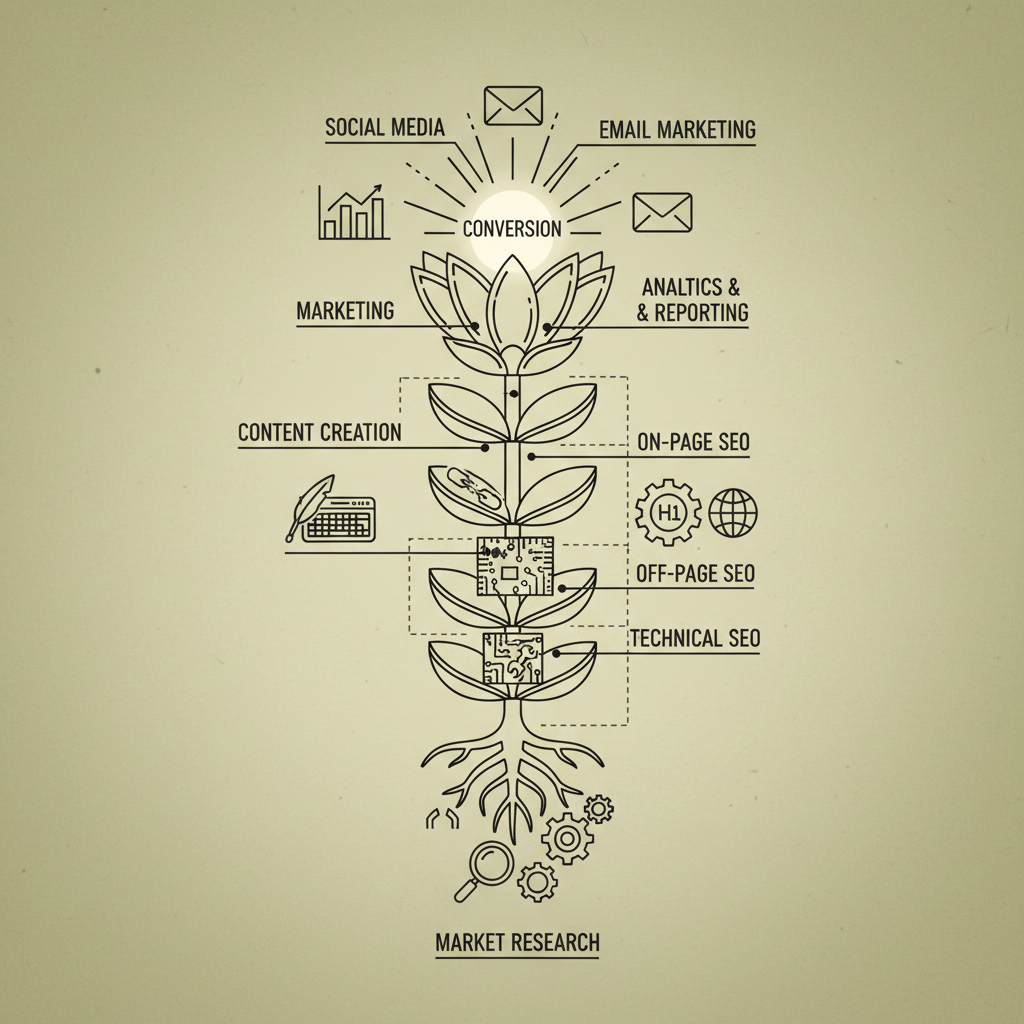
Digital marketing sites aren’t simply platforms; they are complex ecosystems built on algorithms, data analytics, and user behavior. Understanding the underlying principles of SEO, content marketing, social media marketing, and pay-per-click advertising is fundamental to effective utilization. These aren’t isolated tactics but interconnected strategies that must work in harmony to deliver optimal results.
The success of any digital marketing campaign hinges on a deep understanding of the target audience. Detailed buyer personas, segmentation, and data-driven insights are crucial for crafting compelling messaging and delivering personalized experiences. Without a laser focus on the customer, even the most sophisticated digital marketing sites will fail to resonate and drive conversions.
The Global Impact of Digital Marketing Sites
The impact of digital marketing sites extends far beyond commercial interests. Non-governmental organizations (NGOs) leverage these platforms to raise awareness about critical social issues, mobilize support for humanitarian efforts, and advocate for policy changes. From disaster relief campaigns to global health initiatives, digital marketing sites provide a powerful means of connecting with stakeholders and driving positive change.
In developing nations, digital marketing sites are often instrumental in bridging the digital divide and promoting economic inclusion. Small and medium-sized enterprises (SMEs) can utilize these platforms to access new markets, compete with larger corporations, and create employment opportunities. This empowerment fosters economic growth and contributes to poverty reduction.
However, the global reach of digital marketing sites also presents challenges. Issues such as misinformation, data privacy, and algorithmic bias require careful consideration and proactive mitigation strategies. International collaboration and ethical frameworks are essential to ensure that these powerful tools are used responsibly and for the benefit of all.
Defining Digital Marketing Sites
Digital marketing sites encompass a broad spectrum of online platforms and tools used to promote products, services, or brands. These include social media networks (Facebook, Instagram, Twitter, LinkedIn), search engines (Google, Bing, Yahoo), content management systems (WordPress, Drupal, Joomla), email marketing platforms (Mailchimp, Constant Contact), and advertising networks (Google Ads, Facebook Ads).
Essentially, any online space where businesses can connect with potential customers and build relationships falls under the umbrella of digital marketing sites. The key distinction from traditional marketing lies in the ability to measure results with precision, target specific demographics, and personalize messaging at scale. This data-driven approach allows for continuous optimization and improvement.
The connection to modern industry and humanitarian needs is profound. Supply chains are optimized through digital marketing platforms, resource allocation during emergencies is coordinated using social media, and access to education and healthcare is expanded through online channels. The ability to reach individuals directly and efficiently is crucial in today’s fast-paced world.
Key Components of Effective Digital Marketing Sites
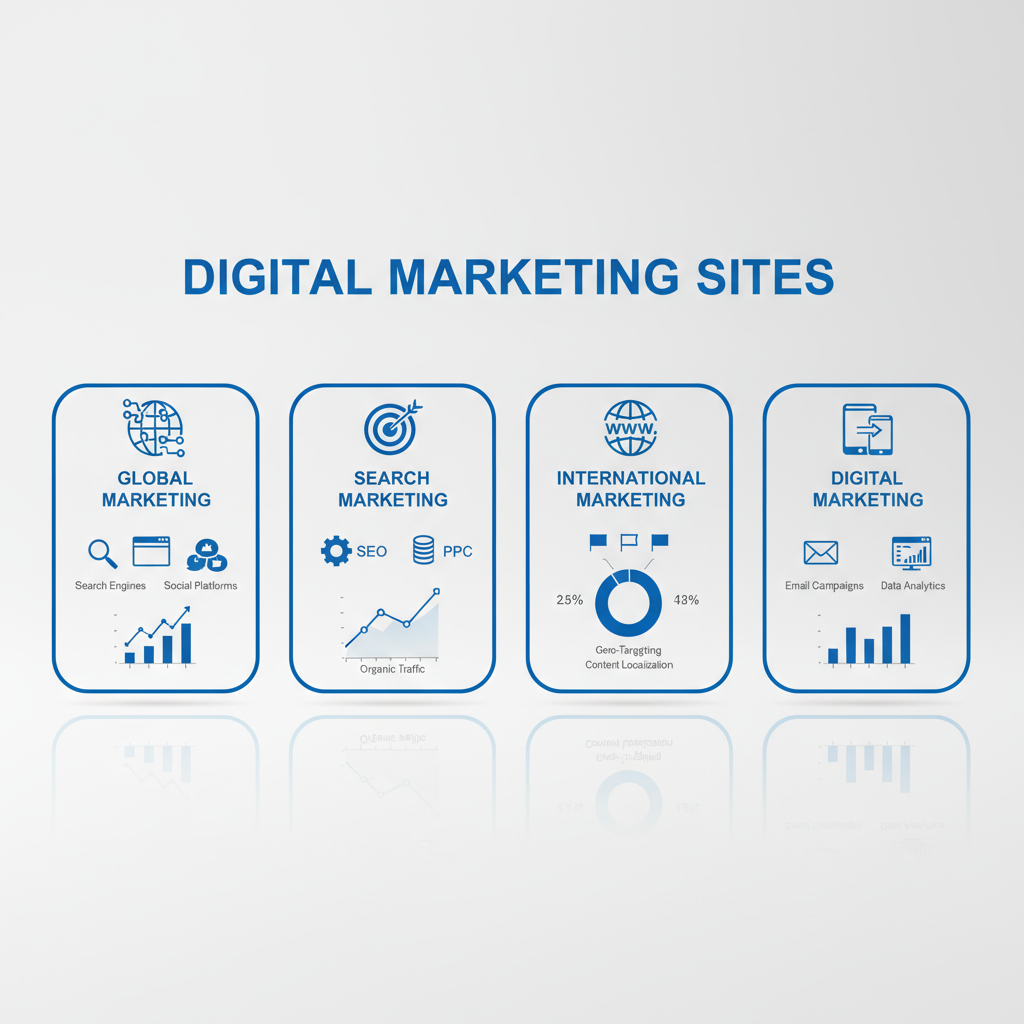
One critical component is Search Engine Optimization (SEO), ensuring your site ranks highly in search results, increasing organic traffic. Another is Content Marketing, creating valuable and engaging content to attract and retain audiences. Social Media Marketing builds brand awareness and fosters community, while Pay-Per-Click (PPC) Advertising drives targeted traffic through paid campaigns.
Further contributing to effectiveness is Email Marketing, nurturing leads and driving conversions through personalized communication. Finally, Data Analytics provides insights into campaign performance, enabling continuous optimization and informed decision-making. Each component works synergistically to create a comprehensive digital marketing strategy.
Digital Marketing Sites Component Effectiveness
Real-World Applications and Use Cases
In post-disaster relief operations, digital marketing sites like Twitter and Facebook are used to disseminate critical information, coordinate rescue efforts, and solicit donations. In remote industrial zones, online platforms facilitate communication between workers, managers, and suppliers, improving efficiency and safety.
The healthcare industry utilizes digital marketing sites to promote preventative care, educate patients about health conditions, and connect individuals with healthcare providers. E-commerce businesses rely on these platforms to drive sales, build brand loyalty, and personalize the shopping experience. Non-profits use them for fundraising and advocacy.
Furthermore, the tourism industry heavily depends on digital marketing sites to attract visitors, showcase destinations, and provide travel information. From booking flights and hotels to discovering local attractions, these platforms have revolutionized the way people plan and experience travel.
Advantages and Long-Term Value Proposition
The primary advantage of utilizing digital marketing sites lies in their cost-effectiveness. Compared to traditional advertising methods, digital marketing offers a significantly lower cost per acquisition. Additionally, the ability to track results in real-time allows for continuous optimization and improved ROI. This data-driven approach builds trust with stakeholders.
Long-term value is realized through building brand awareness, fostering customer loyalty, and establishing a strong online presence. A well-executed digital marketing strategy can create a sustainable competitive advantage, driving growth and profitability over time. This contributes to a positive brand image and fosters lasting relationships with customers.
Future Trends and Emerging Technologies
Artificial intelligence (AI) and machine learning (ML) are poised to revolutionize digital marketing sites, enabling hyper-personalization, predictive analytics, and automated campaign optimization. The rise of virtual reality (VR) and augmented reality (AR) will create immersive experiences, transforming how consumers interact with brands.
Furthermore, the growing emphasis on data privacy and ethical marketing practices will drive the adoption of privacy-enhancing technologies and transparent data governance frameworks. Blockchain technology may also play a role in enhancing security and trust in online advertising ecosystems. Sustainability considerations are pushing for greener hosting and digital practices.
The convergence of these technologies will shape the future of digital marketing sites, creating new opportunities for innovation and growth. Businesses that embrace these trends will be well-positioned to thrive in the evolving digital landscape.
FAQS
SEO (Search Engine Optimization) focuses on organic (non-paid) traffic by improving your site's ranking in search results. It's a long-term strategy. PPC (Pay-Per-Click) involves paying for ads to appear at the top of search results or on other websites. PPC delivers immediate results but requires ongoing investment. Both are crucial for a comprehensive digital marketing strategy on relevant sites. SEO builds long term authority, while PPC provides instant visibility.
Measuring ROI requires tracking key metrics like website traffic, conversion rates, cost per acquisition (CPA), and customer lifetime value (CLTV). Utilize analytics tools like Google Analytics, and UTM parameters to track campaign performance. Attribution modeling can help you understand which touchpoints contribute most to conversions. Clear goal setting is essential for accurate ROI calculation across digital marketing sites.
Content marketing is fundamental. High-quality, valuable content attracts and engages your target audience, builds trust, and improves your search engine rankings. It establishes your brand as an authority in your industry. Content can take many forms – blog posts, videos, infographics, ebooks – and should be optimized for each platform. Great content keeps users engaged on these sites longer.
Social media marketing is crucial for brand awareness, customer engagement, and lead generation. Each platform requires a tailored strategy based on its demographics and features. Consistent posting, engaging with followers, and running targeted ad campaigns can significantly impact your brand’s visibility and reach across digital marketing sites. Monitor social listening to understand brand sentiment.
Staying updated requires continuous learning and adaptation. Follow industry blogs, attend webinars, and subscribe to newsletters from leading digital marketing experts. Experiment with new strategies and tools, and analyze your results to see what works best. Platforms like Google Search Central and Facebook Business provide official updates on algorithm changes for their respective digital marketing sites.
Ethical considerations include respecting user privacy, being transparent about data collection practices, avoiding deceptive advertising, and ensuring accessibility for all users. Complying with data privacy regulations like GDPR and CCPA is essential. Building trust and maintaining a positive brand reputation are paramount. Avoid ‘dark patterns’ that manipulate user behavior on these sites.
Conclusion
In conclusion, digital marketing sites are no longer optional – they are fundamental to success in today’s interconnected world. Understanding their intricacies, leveraging their potential, and adapting to their ever-changing landscape is crucial for businesses, organizations, and individuals alike. From driving brand awareness and generating leads to fostering customer loyalty and promoting social good, these platforms offer unparalleled opportunities for growth and impact.
Looking ahead, the future of digital marketing sites will be shaped by advancements in AI, VR/AR, and blockchain technologies. Embracing these innovations, prioritizing data privacy, and adopting ethical marketing practices will be essential for navigating the evolving digital landscape. We encourage you to visit our website, digital marketing sites, to explore our comprehensive suite of digital marketing services and resources.