

Understanding Brand Identity and Corporate Identity for Sustainable Growth
Navigating the Nuances of Brand Identity and Corporate Identity
In today's competitive global market, a strong and well-defined identity is critical for success. Often used interchangeably, brand identity and corporate identity are distinct yet interconnected concepts. Understanding these differences is key to building a lasting impression on your target audience and achieving sustainable growth. We at EC Global Advisor specialize in helping businesses refine and project their unique identities in international markets.
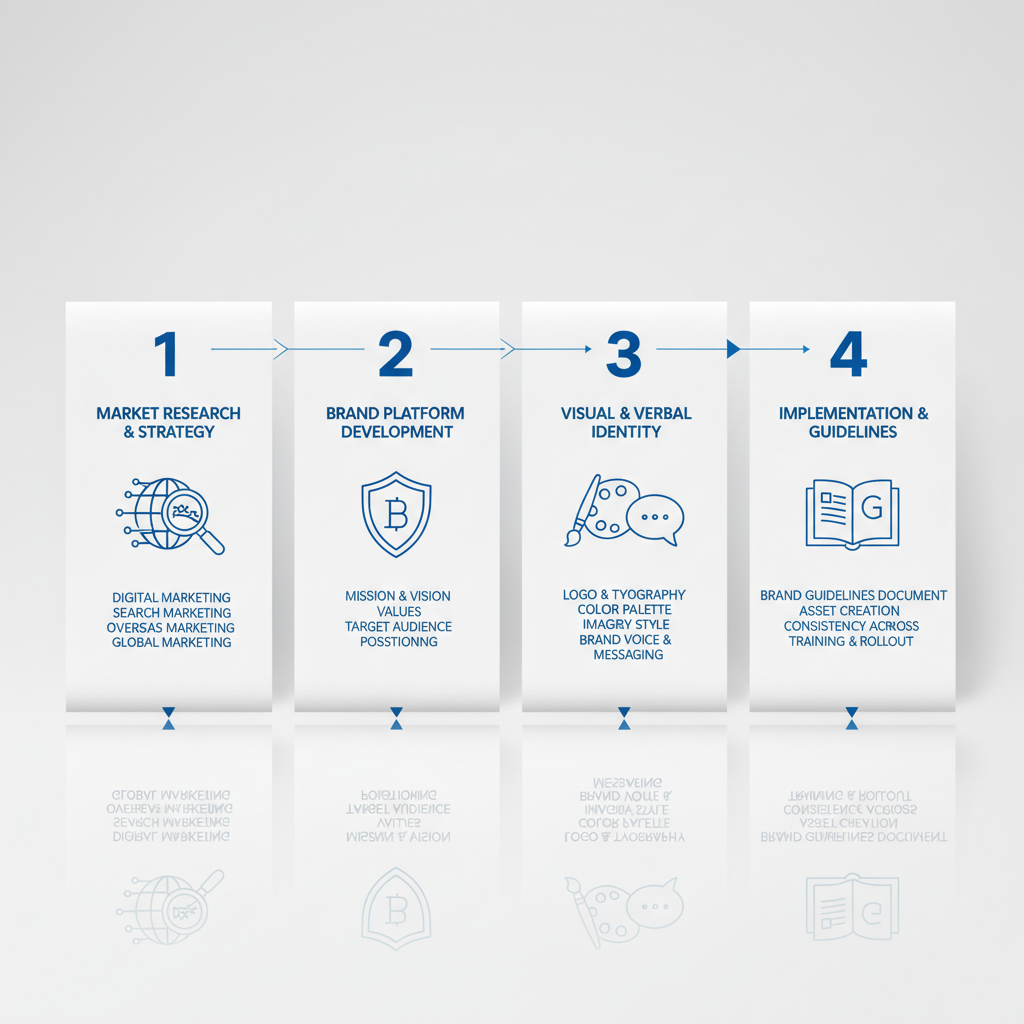
Defining Corporate Identity: The Foundation
Corporate identity is the holistic expression of what a company is. It encompasses the company's mission, vision, values, culture, and organizational structure. Think of it as the internal character of your business. It’s the core of your business philosophy, guiding internal decisions and employee behavior. Crucially, corporate identity is communicated both internally and externally. It's reflected in everything from internal policies to annual reports. Establishing a strong corporate identity fosters a sense of unity and purpose within the organization and lays the groundwork for a cohesive brand identity.
Unpacking Brand Identity: The Public Face
In contrast to corporate identity, brand identity focuses on how the company is perceived by the outside world. It’s the collection of visual and emotional cues that differentiate your business from competitors. This includes your logo, color palette, typography, imagery, brand voice, and overall messaging. A strong brand identity creates a recognizable and memorable presence in the marketplace. Essentially, it’s the promise you make to your customers, and it’s crucial for building trust and loyalty. At EC Global Advisor, we understand the importance of a compelling brand identity for international market penetration.
The Interplay Between Brand Identity and Corporate Identity
While distinct, brand identity and corporate identity are inextricably linked. Your brand identity should be a genuine reflection of your corporate identity. If there’s a disconnect, it can lead to confusion and erode trust. Think of corporate identity as the roots of a tree, and brand identity as the branches and leaves. The branches rely on the strength of the roots for support and nourishment. A well-aligned brand identity amplifies the core values and principles established by the corporate identity, creating a powerful and authentic message that resonates with your target audience.
Key Takeaway: A robust corporate identity provides the foundation for a compelling and authentic brand identity.
Brand Identity vs. Corporate Identity: A Side-by-Side Comparison
To further clarify the differences, consider this comparison:
Building a Globally Resonant Brand Identity
When expanding into international markets, your brand identity requires careful consideration. Cultural nuances, linguistic differences, and varying consumer preferences can significantly impact how your brand is perceived. What works in one country may not resonate in another. At EC Global Advisor, we conduct thorough market research to ensure your brand messaging is culturally sensitive and effectively communicates your value proposition to diverse audiences. We help businesses adapt their brand identity while preserving its core essence.
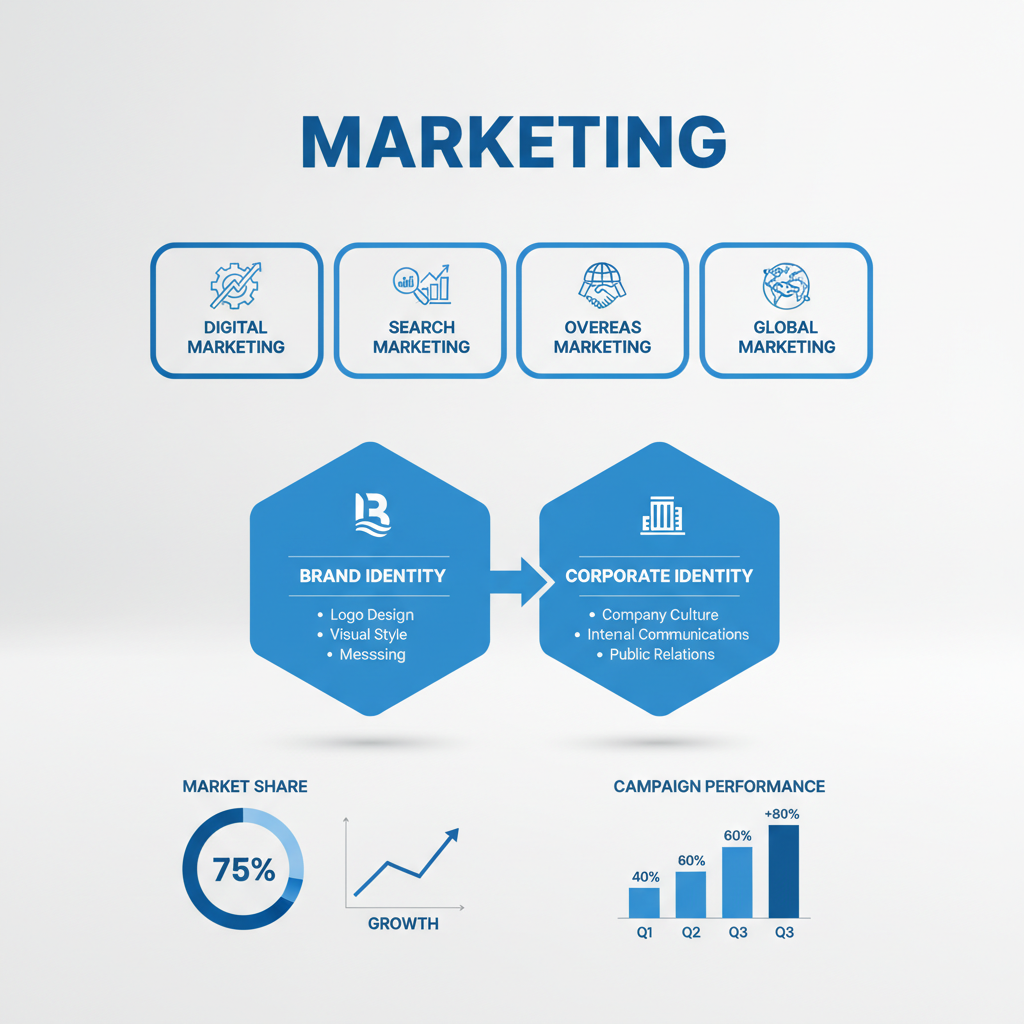
The Importance of Consistency in Brand & Corporate Identity
Consistency is paramount. Whether it’s your website, marketing materials, social media presence, or customer service interactions, every touchpoint should reinforce your brand identity and align with your corporate values. Inconsistent messaging can confuse customers, dilute your brand equity, and ultimately damage your reputation. Maintaining consistency across all platforms is vital for building a strong, recognizable, and trusted brand. We offer services at EC Global Advisor to help manage and maintain this consistency across your international operations.
Conclusion: Defining Your Success Through Identity
Investing in a well-defined brand identity and a solid corporate identity is not merely an aesthetic exercise; it’s a strategic imperative for success. By understanding the nuances of these concepts and aligning them effectively, businesses can create a powerful and lasting impression on the global stage. Don’t underestimate the power of a strong identity—it's the cornerstone of a thriving brand.
Frequently Asked Questions (FAQs)
How often should a company review its brand identity?
A brand identity shouldn’t be static. It’s recommended to conduct a comprehensive review at least every 3-5 years, or sooner if there are significant changes within the company or in the competitive landscape. This review should assess whether the current identity still accurately reflects the company’s values, resonates with the target audience, and differentiates it from competitors. Regular monitoring of brand perception through customer feedback and market research is also crucial.
What role does company culture play in shaping brand identity?
Company culture is integral to brand identity. Your internal values, employee behavior, and work environment directly influence how your brand is perceived externally. A positive and authentic company culture can foster brand advocacy among employees, leading to more genuine and compelling brand messaging. Conversely, a disconnect between internal culture and external branding can damage credibility and erode trust.
How can a company ensure consistency in its brand identity across global markets?
Maintaining consistency across global markets requires a comprehensive brand guideline document that outlines your visual and messaging standards. This document should be translated into relevant languages and distributed to all internal and external stakeholders. Regular audits of marketing materials and communications in each market can help identify and address inconsistencies. Consider appointing a brand guardian to oversee brand implementation and ensure adherence to guidelines.
What is the cost of developing a brand identity?
The cost of developing a brand identity can vary significantly depending on the scope of work and the agency involved. A basic brand identity package, including logo design and color palette, might start around $5,000 - $10,000. A more comprehensive package, encompassing brand strategy, messaging, and visual guidelines, could range from $20,000 to $50,000 or more. It’s a worthwhile investment, as a strong brand identity can generate significant returns over time.




















-
 May. 13, 2025
 -
 May. 13, 2025
 -
 Jun. 30, 2025
 -
 Jun. 30, 2025
 -
 Jun. 30, 2025
 -
 Jun. 30, 2025