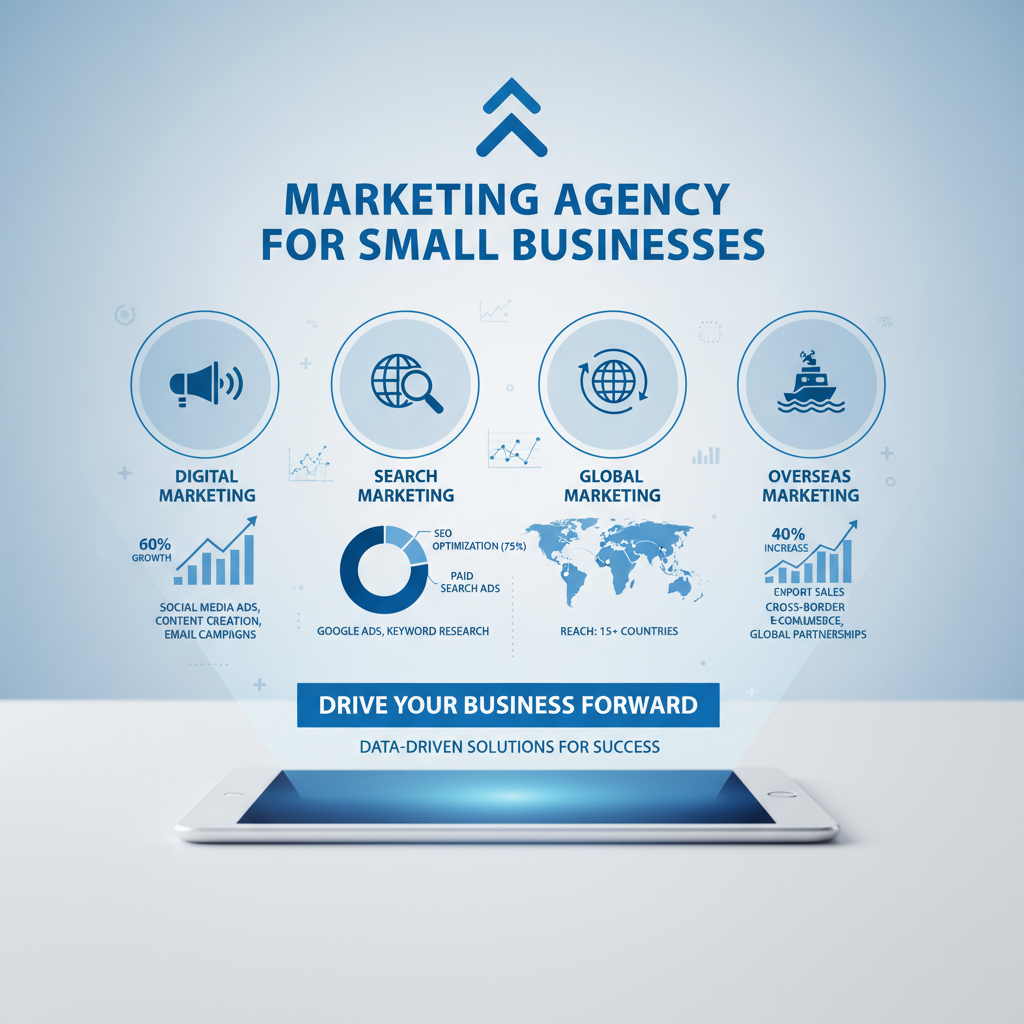
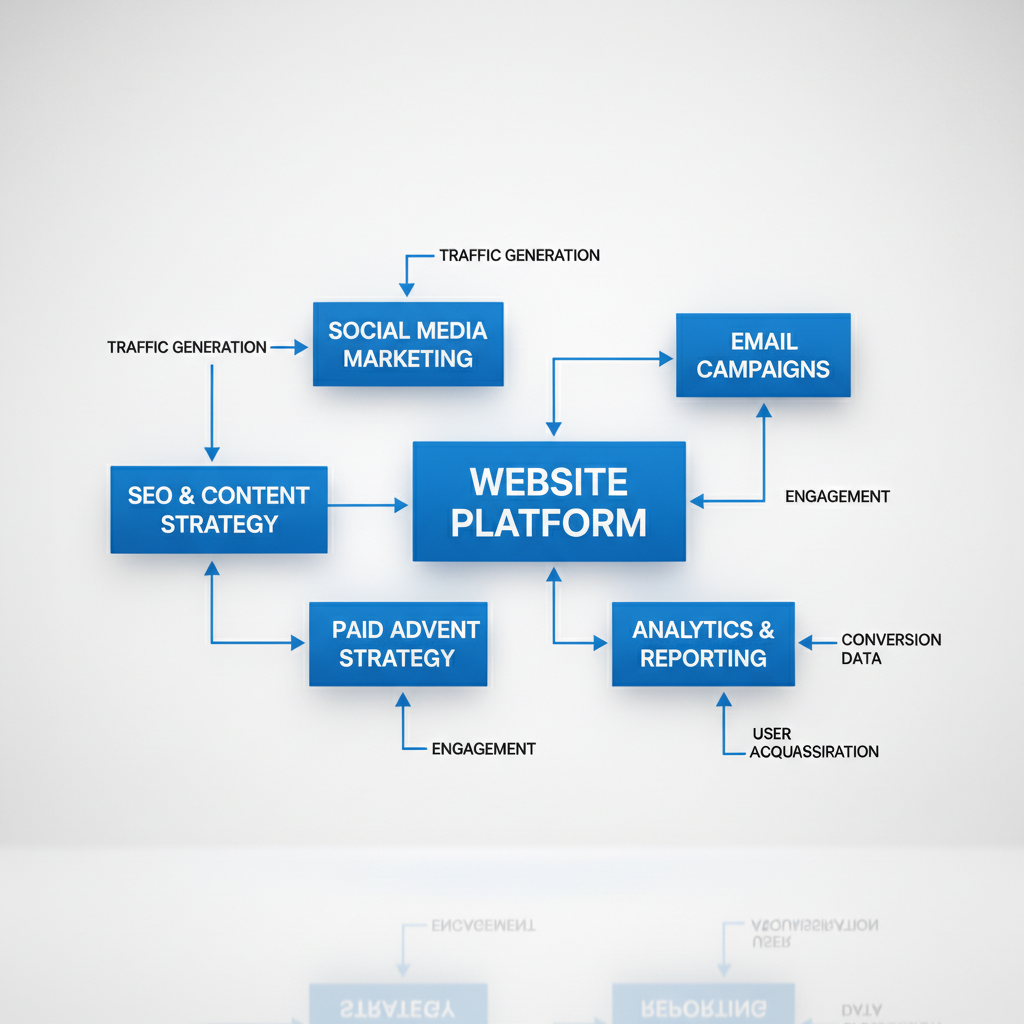
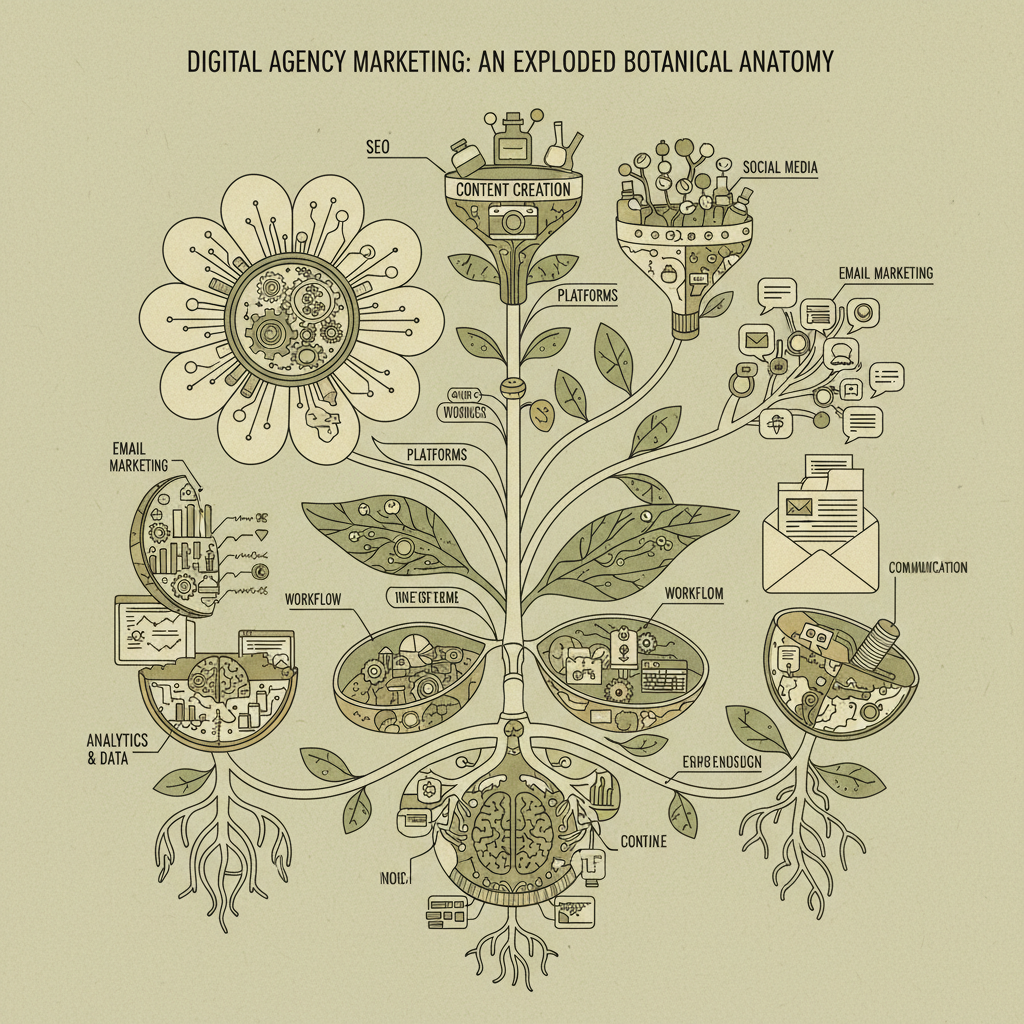
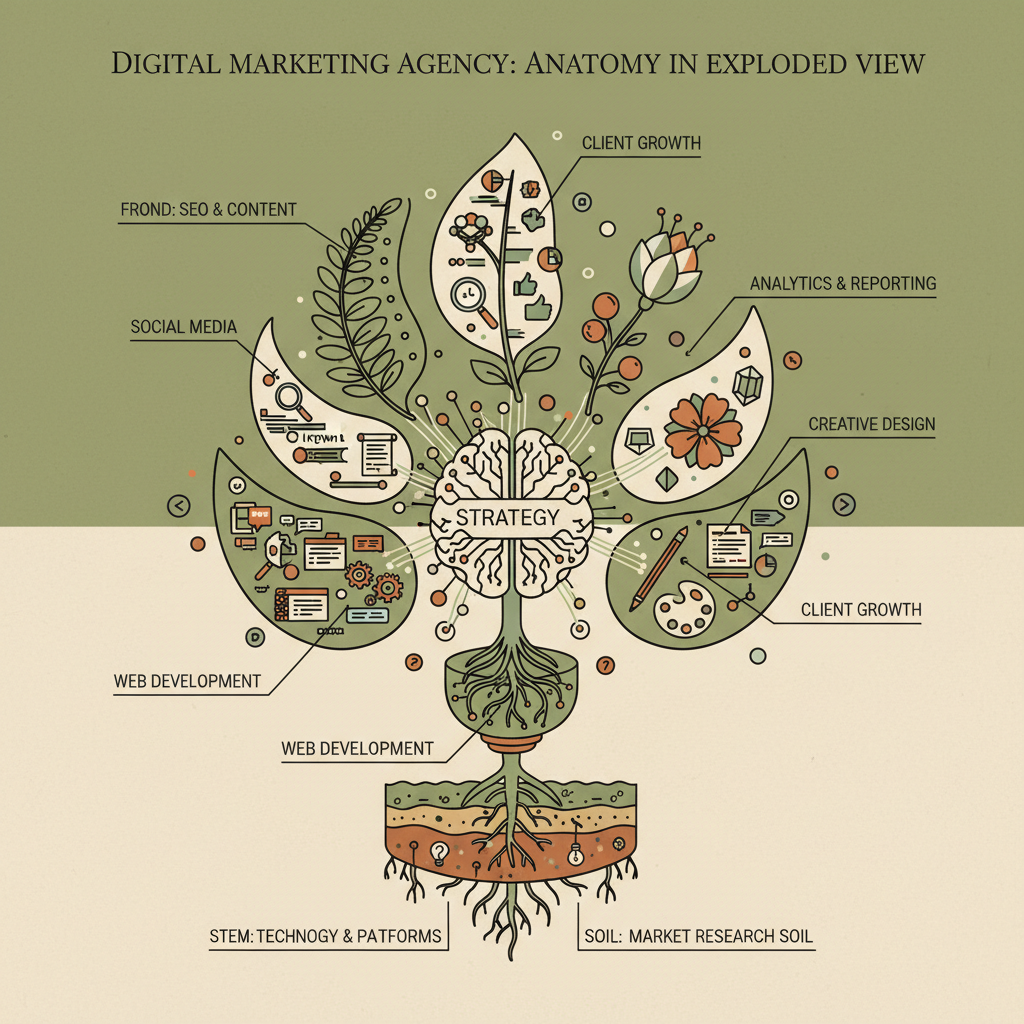
In today's hyper-competitive digital landscape, finding the right marketing agency for small business is no longer a luxury but a strategic necessity for survival and growth. Small enterprises often struggle to balance operational demands with the complex requirements of modern customer acquisition, making external expertise vital for scaling effectively.
The global economy relies heavily on the agility of small-to-medium enterprises (SMEs), yet many fail within the first five years due to an inability to reach their target audience. A specialized marketing agency for small business bridges this gap by providing high-level strategic planning and execution without the overhead of a full-scale in-house marketing department.
By leveraging data-driven insights and creative storytelling, these agencies empower local brands to compete with industry giants. Understanding how to partner with a marketing agency for small business allows entrepreneurs to focus on their core product while ensuring their brand visibility grows sustainably in a crowded marketplace.
Global Impact of Marketing Agencies for Small Business
On a global scale, small businesses represent over 90% of all companies and contribute significantly to global employment. However, the digital divide often prevents these entities from accessing the same visibility as multinational corporations. This is where a marketing agency for small business becomes a catalyst for economic equity, applying professional SEO, PPC, and content strategies to local markets.
According to industry trends, SMEs that adopt digital marketing strategies guided by professional agencies see a marked increase in revenue stability. By democratizing access to advanced advertising technology, these agencies allow a boutique shop in Europe or a tech startup in Southeast Asia to reach a global audience, fostering international trade and innovation.
Defining the Role of a Specialized Small Business Agency
A marketing agency for small business is a service provider that specializes in creating scalable growth strategies tailored to limited budgets and lean teams. Unlike full-service corporate agencies, these specialists focus on high-ROI (Return on Investment) activities, ensuring that every dollar spent contributes directly to lead generation or brand awareness.
The connection to modern industry needs is clear: in an era of algorithmic changes and shifting consumer behavior, "guessing" is no longer a viable strategy. These agencies act as an external CMO (Chief Marketing Officer), providing the technical infrastructure—such as CRM integration and analytics tracking—that small business owners typically lack the time or training to implement.
Ultimately, the goal is to transform a business from a "hidden gem" into a market leader. By focusing on the specific psychology of small-business customers, who often value authenticity and personalized service, the agency crafts a voice that resonates deeply, turning occasional buyers into lifelong brand advocates.
Core Components of Small Business Marketing Success
Scalability is the cornerstone of any strategy implemented by a marketing agency for small business. The ability to start with a modest budget and increase investment as revenue grows prevents the business from overextending its financial resources while ensuring a steady climb in market share.
Cost efficiency is achieved through hyper-targeting. Instead of broad, expensive campaigns, a professional marketing agency for small business utilizes "long-tail" keywords and niche audience segmentation to attract high-intent customers, significantly lowering the cost per acquisition (CPA).
Brand Durability is the final key component. By building a strong organic presence through content marketing and SEO, the agency ensures the business isn't solely dependent on paid ads. This creates a sustainable ecosystem where the brand remains visible and trusted even if advertising budgets are temporarily reduced.
Strategic Applications and Use Cases
The practical application of a marketing agency for small business varies across industries. For example, in the local service sector—such as plumbing or legal services—agencies focus on Local SEO and Google Business Profile optimization to ensure the client is the first choice in their specific zip code.
In the e-commerce space, agencies shift toward conversion rate optimization (CRO) and social commerce. A small artisan jewelry maker can utilize a marketing agency for small business to implement automated email funnels and Instagram Shopping, effectively transforming a hobby into a scalable international brand.
Effectiveness of Marketing Agency for Small Business Strategies
Tangible Advantages and Long-Term Value
The primary advantage of hiring a marketing agency for small business is the immediate access to a multidisciplinary team. Instead of hiring one generalist, the business owner gains a strategist, a copywriter, a graphic designer, and an SEO expert, all for a fraction of the cost of full-time salaries.
Beyond the financial metrics, there is an emotional value in the peace of mind provided. Knowing that a professional team is monitoring algorithm updates and optimizing ad spend reduces founder burnout. This stability allows for innovation in product development, knowing that the customer acquisition engine is running reliably in the background.
Future Trends in Digital Agency Services
The future of the marketing agency for small business is being shaped by Artificial Intelligence and hyper-automation. We are moving toward a "predictive marketing" model where agencies use AI to forecast consumer demand, allowing small businesses to stock inventory and launch campaigns before the trend even peaks.
Sustainability and ethical marketing are also becoming central. Modern consumers, especially Gen Z, gravitate toward brands with a purpose. Future-forward agencies are helping small businesses integrate their ESG (Environmental, Social, and Governance) goals into their brand narrative, creating a deeper emotional bond with their community.
Additionally, the shift toward "zero-click" content—where information is provided directly on the search result page—is changing the SEO landscape. Agencies are now focusing on "Entity-Based SEO," ensuring that a small business is recognized by Google not just as a website, but as a trusted authority in its specific niche.
Overcoming Common Growth Challenges
One of the biggest challenges for SMEs is the "plateau phase," where initial growth stalls. A marketing agency for small business solves this by diversifying acquisition channels. If Facebook ads stop performing, the agency pivots to LinkedIn, TikTok, or strategic email nurturing to maintain the pipeline.
Another hurdle is the lack of clean data. Many small businesses have lists of customers but no system to analyze them. Professional agencies implement tracking pixels and heatmaps, transforming raw data into actionable intelligence that tells the owner exactly where customers are dropping off in the sales funnel.
Finally, the struggle for brand consistency is common. By establishing a comprehensive Brand Guideline, the agency ensures that every touchpoint—from the website to the invoice—reflects a professional image, building the trust necessary to justify premium pricing.
Strategic Comparison of Marketing Agency Service Models for Small Businesses
| Service Model |
Target Goal |
Budget Range |
ROI Speed |
| Project-Based |
Website Launch/Rebrand |
Low to Medium |
Immediate |
| Monthly Retainer |
Steady Lead Generation |
Medium |
Moderate |
| Performance-Based |
Aggressive Sales Growth |
Variable/High |
Fast |
| Consulting Only |
Strategic Roadmap |
Low |
Slow |
| Hybrid Model |
Balanced Scaling |
Medium to High |
Steady |
| Niche-Specific Agency |
Industry Dominance |
Medium |
Fast |
FAQS
No business is too small to benefit from a strategy, but the type of agency matters. A dedicated marketing agency for small business specializes in lean budgets. If you have a validated product and a desire to grow, you are ready. The key is starting with a focused project, like Local SEO, rather than a full-scale corporate campaign.
While ROI varies by industry, most small businesses see a positive return within 3 to 6 months for paid campaigns and 6 to 12 months for organic SEO. The goal is to lower the cost of acquiring a customer (CAC) while increasing the lifetime value (LTV) of that customer through better positioning and retention strategies.
Freelancers are great for specific tasks (e.g., writing one blog post). However, an agency provides a holistic strategy. A marketing agency for small business ensures that your social media, website, and ads all work together in a unified funnel, which usually leads to higher conversion rates than fragmented freelance work.
Yes. Professional agencies don't just "send traffic"; they optimize the entire journey. This includes improving landing page copy, setting up automated lead follow-ups, and analyzing where leads are dropping off. By aligning marketing with sales, they help you close more of the leads they generate.
A healthy relationship usually involves a monthly deep-dive report and a bi-weekly check-in. This ensures the strategy remains aligned with your business goals. Your agency should provide transparent data on key performance indicators (KPIs) so you can see exactly how your investment is performing.
Marketing is iterative. A reputable marketing agency for small business uses A/B testing to determine what works. If a campaign fails, they use the data to pivot. The "failure" is actually a data point that informs a more successful second attempt, reducing waste in the long run.
Conclusion
Partnering with a specialized marketing agency for small business is one of the most effective ways to transition from a survival mindset to a growth mindset. By integrating scalability, cost-efficiency, and long-term brand durability, these agencies provide the technical and creative leverage needed to compete in a globalized digital economy.
As we move toward an AI-driven future, the ability to adapt quickly will separate the winners from the losers. Small business owners are encouraged to stop viewing marketing as an expense and start seeing it as an investment in their company's equity and reach. For expert guidance and tailored growth strategies, visit our website: www.ecglobaladvisor.com