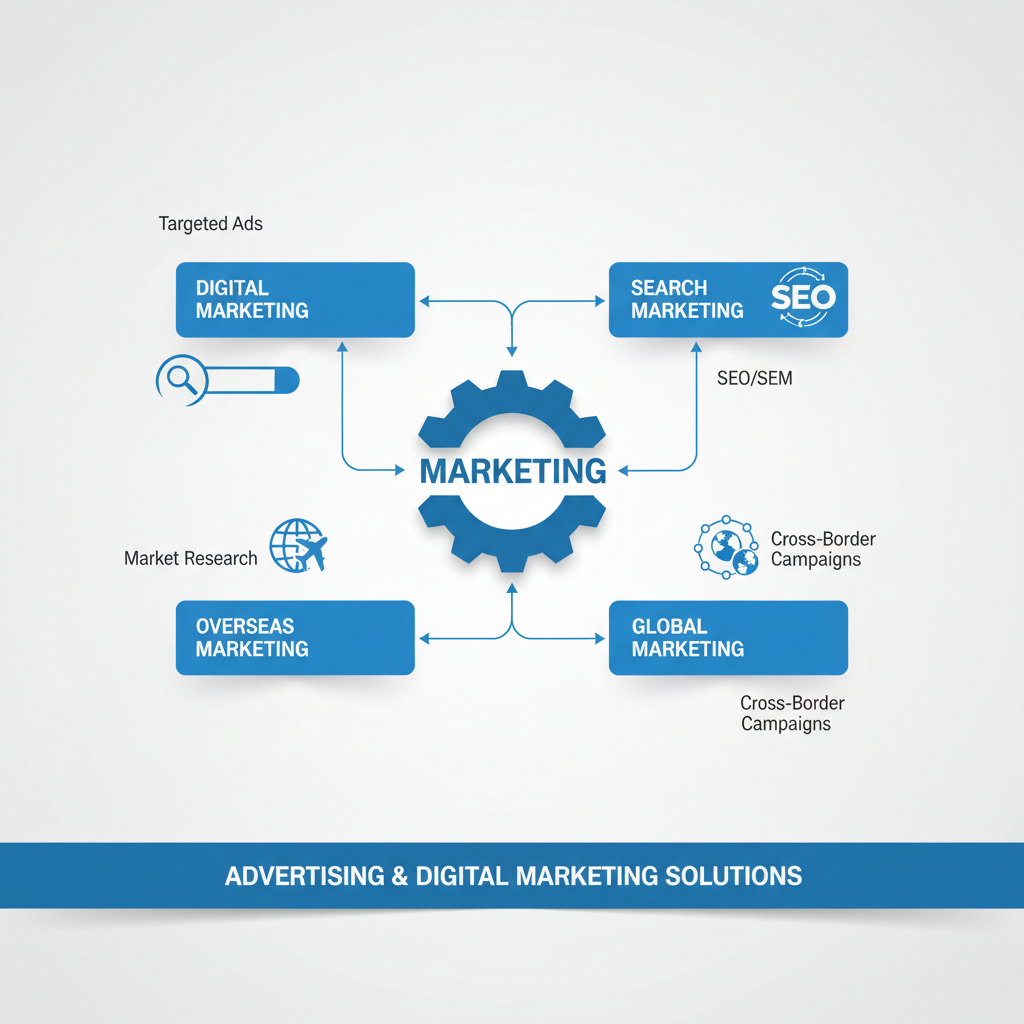
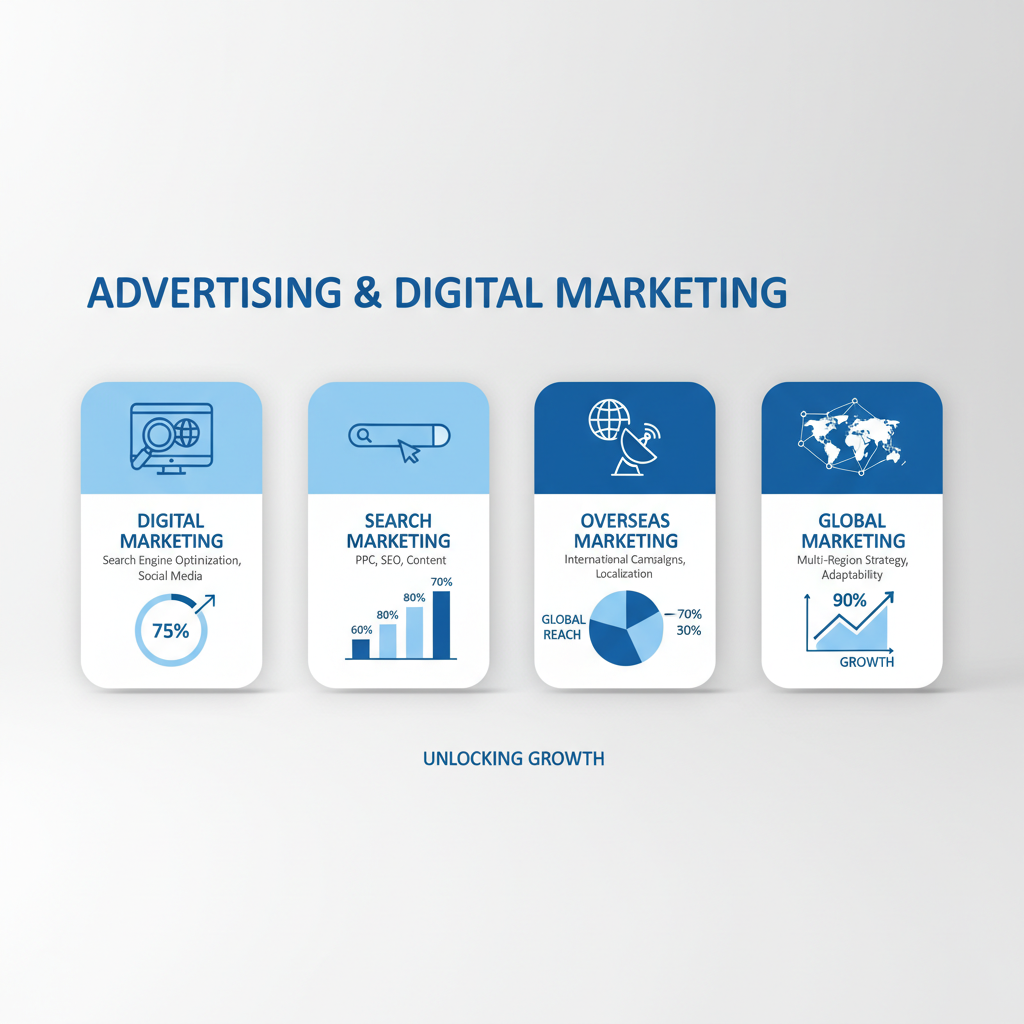
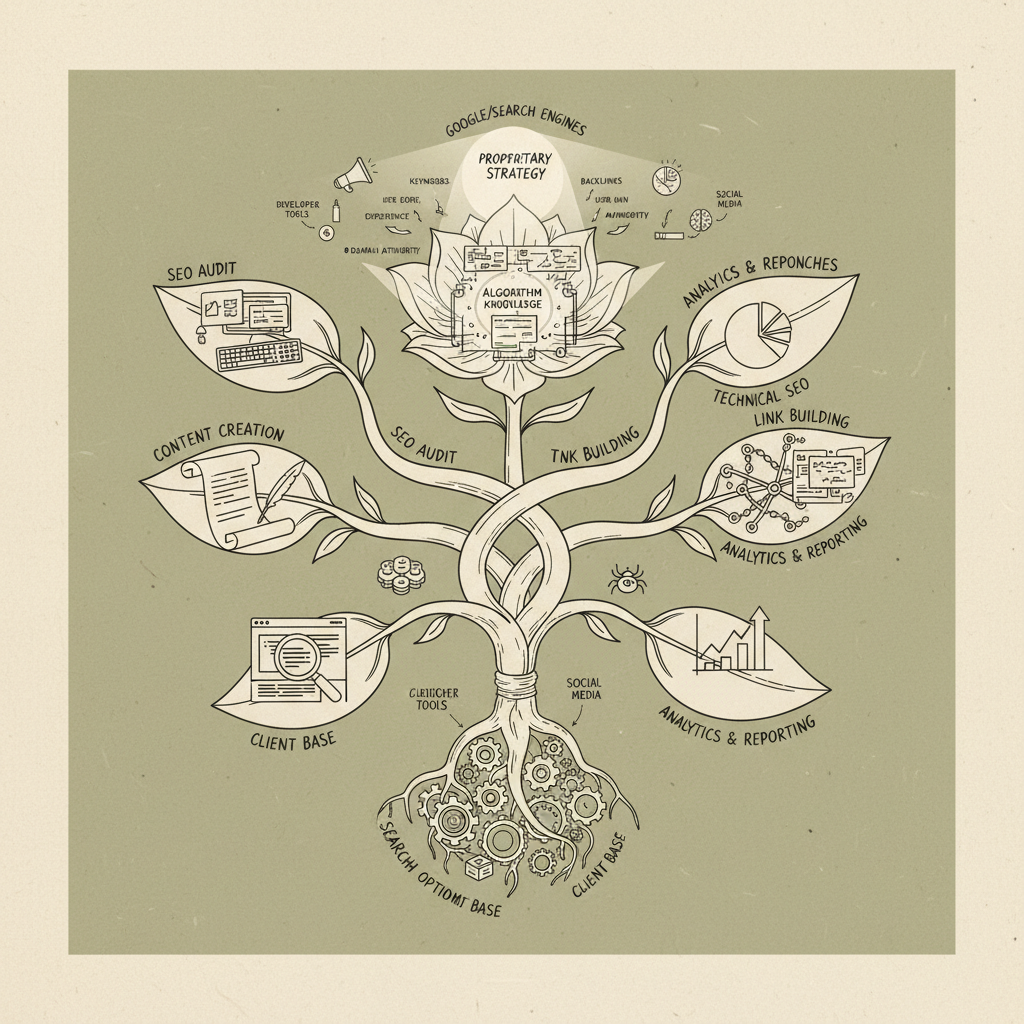
In the hyper-competitive landscape of the modern economy, advertising and digital marketing serve as the primary engine for business growth and brand visibility. The shift from traditional print and broadcast media to a data-driven digital ecosystem has fundamentally altered how companies interact with their customers, moving from broad broadcasting to precision targeting. Understanding this synergy is no longer optional for enterprises; it is a prerequisite for survival in a globalized market.
The global relevance of digital strategies is underscored by the sheer volume of connectivity, with billions of users accessing the internet daily. According to industry trends and digital adoption reports, the transition toward omnichannel presence allows brands to maintain a cohesive narrative across social media, search engines, and mobile applications. However, this rapid evolution presents a significant challenge: the "attention economy," where brands must fight for seconds of a consumer's time amidst an ocean of digital noise.
By integrating advanced analytics with creative storytelling, advertising and digital marketing bridge the gap between a product's utility and the consumer's desire. This approach not only drives immediate sales but builds long-term brand equity and trust. For businesses in the professional services and internet advertising sectors, mastering these tools means transforming dry technical parameters into compelling commercial narratives that resonate on a human level.
The Fundamental Framework of Digital Advertising
At its core, the framework of advertising and digital marketing is built upon the ability to deliver the right message to the right person at the precisely right time. Unlike traditional advertising, which relied on "spray and pray" tactics, the digital framework leverages Big Data to segment audiences based on behavior, demographics, and intent. This precision ensures that marketing budgets are spent efficiently, targeting users who are already predisposed to be interested in the offering.
Furthermore, the framework emphasizes the concept of the "Conversion Funnel," guiding a stranger from the awareness stage to consideration, and finally to a loyal customer. By optimizing each touchpoint—from the first social media ad to the final checkout page—businesses can drastically reduce customer acquisition costs. This systematic approach transforms marketing from a speculative expense into a predictable revenue-generating machine.
Core Components of Modern Marketing Strategies
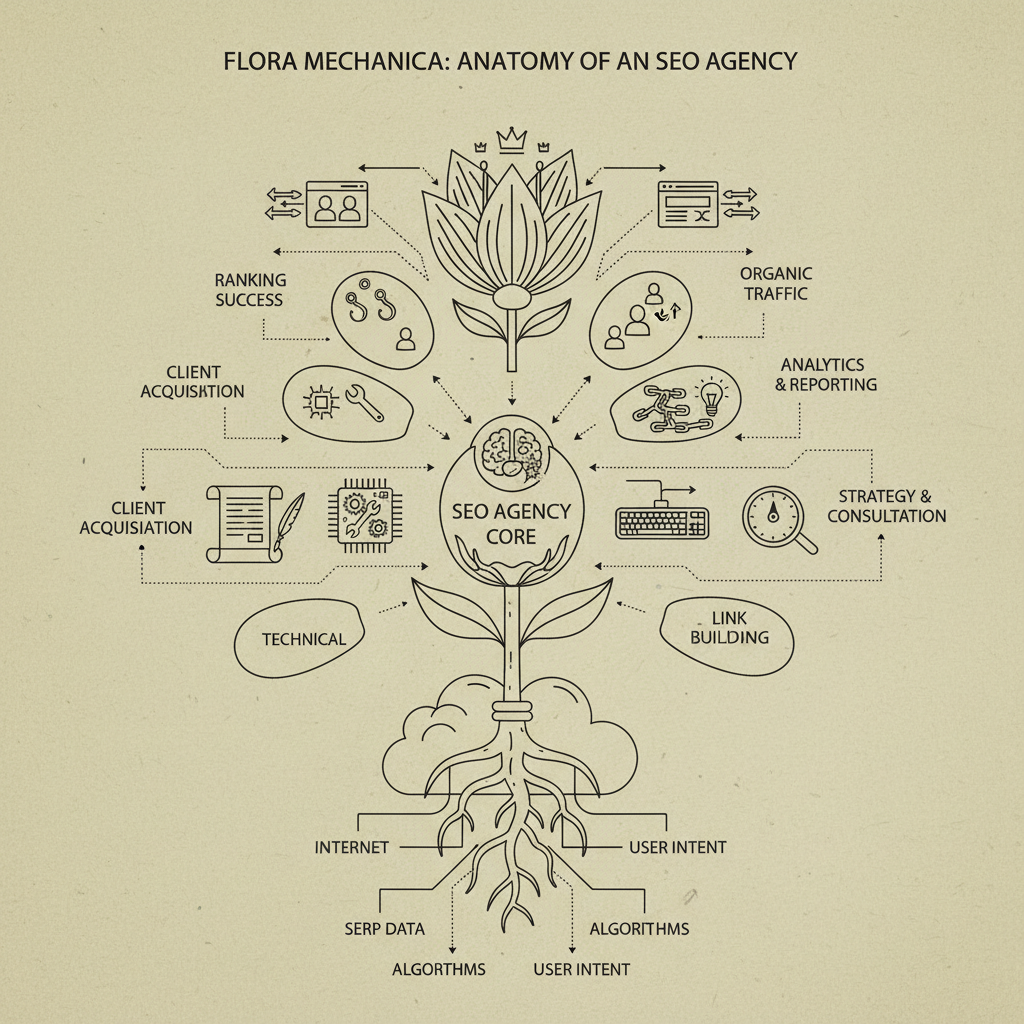
One of the most critical components is Search Engine Optimization (SEO), which ensures that a brand remains visible when potential clients search for solutions. SEO is not merely about keywords; it is about establishing authority and trust through high-quality content and technical excellence. When a website aligns with the E-E-A-T (Experience, Expertise, Authoritativeness, and Trustworthiness) principles, it gains a competitive edge in search rankings.
Pay-Per-Click (PPC) advertising complements organic growth by providing immediate visibility. Through platforms like Google Ads and Meta Ads, businesses can bid on specific intent-driven keywords, ensuring they appear at the top of the page during the critical decision-making window. The magic of PPC lies in its scalability; once a winning ad formula is found, the reach can be expanded rapidly to capture a larger market share.
Social Media Marketing and Email Automation round out the strategy by fostering community and retention. While SEO and PPC bring in new leads, social platforms allow for human-centric engagement and brand storytelling. Email automation then nurtures these leads through personalized workflows, ensuring that the brand remains top-of-mind without requiring manual intervention for every single interaction.
Strategic Integration of Content and SEO
The integration of content and SEO is where advertising and digital marketing find their true potency. High-value content acts as the "bait" that attracts organic traffic, while SEO serves as the "map" that leads users to that content. Without a strategic alignment, even the most brilliant copy will remain unseen, and the most optimized page will fail to convert if the content lacks substance.
To maximize the impact of advertising and digital marketing, creators must focus on "Topic Clusters." Instead of targeting isolated keywords, they should build comprehensive guides that cover every facet of a subject. This demonstrates deep expertise to search engines and provides a seamless educational experience for the user, increasing the time spent on site and reducing bounce rates.
Ultimately, the goal is to move from "selling" to "helping." By creating content that solves real problems—whether through whitepapers, case studies, or how-to videos—brands position themselves as industry leaders. This shift in perspective transforms the user's perception of the advertisement from an interruption into a valuable resource, thereby increasing the overall conversion rate.
Performance Metrics and ROI Analysis
Measuring success in advertising and digital marketing requires a shift from vanity metrics (like likes and followers) to actionable KPIs. Key Performance Indicators such as Customer Acquisition Cost (CAC), Lifetime Value (LTV), and Conversion Rate (CR) provide the real story of a campaign's health. By analyzing these figures, marketers can identify exactly where a funnel is leaking and allocate resources to the highest-performing channels.
A data-driven approach allows for continuous A/B testing, where different versions of a landing page or ad copy are tested against each other. This iterative process removes guesswork from the equation, allowing the market's actual behavior to dictate the creative direction. Over time, this leads to a highly optimized engine where every dollar spent is mapped to a specific, measurable outcome.
Effectiveness of Various Digital Marketing Channels
Global Applications Across Diverse Industries
The versatility of advertising and digital marketing is evident in its application across wildly different sectors. In the B2B professional services industry, for instance, the focus shifts toward LinkedIn lead generation and thought-leadership articles that build trust over a long sales cycle. Here, the goal is not a quick click, but the establishment of a professional relationship based on demonstrated expertise.
Conversely, in the e-commerce and retail sector, the application is far more transactional and rapid. Dynamic remarketing ads—which show users the exact product they left in their shopping cart—leverage psychological triggers to recover lost sales. Whether it is a local boutique or a global conglomerate, the ability to tailor the message to the specific regional culture and consumer behavior is what separates successful global brands from those that fail to scale.
Long-Term Value and Brand Sustainability
Beyond immediate lead generation, the long-term value of a robust advertising and digital marketing strategy lies in brand equity. Brand equity is the intangible value that allows a company to charge a premium over its competitors simply because of the trust and recognition associated with its name. This is achieved through consistent messaging and a commitment to providing value before asking for a sale.
Sustainability in marketing also refers to the ability to generate leads without constantly increasing the ad budget. By investing in organic SEO and a loyal community, businesses create a "compounding effect." While an ad stops bringing in leads the moment you stop paying, a high-ranking blog post continues to attract potential customers for years, significantly lowering the long-term cost of growth.
Finally, the emotional connection forged through digital storytelling creates brand advocates. When customers feel that a brand understands their pain points and shares their values, they move from being passive buyers to active promoters. This organic word-of-mouth, amplified by digital channels, is the most powerful and cost-effective form of marketing available today.
Future Trends in AI and Automation
The horizon of advertising and digital marketing is being reshaped by Artificial Intelligence (AI) and Machine Learning. Generative AI is now capable of producing personalized ad copy and imagery at scale, allowing for "hyper-personalization" where every single user sees a version of an ad tailored specifically to their psychological profile and history.
Predictive analytics is another game-changer, allowing marketers to forecast consumer behavior before it happens. By analyzing patterns in data, AI can suggest the optimal time to send an email or the exact moment a customer is likely to churn, enabling proactive intervention. This shift from reactive to predictive marketing will define the next decade of business growth.
Furthermore, the rise of voice search and visual search (like Google Lens) is forcing a rewrite of SEO strategies. Content must now be optimized for natural language and conversational queries rather than just short-tail keywords. The future belongs to those who can blend the efficiency of automation with the irreplaceable nuance of human creativity.
Analysis of Emerging Trends in Digital Marketing Evolution
| Technology/Trend |
Impact Level (1-10) |
Primary Benefit |
Implementation Complexity |
| Generative AI Copywriting |
9 |
Rapid Content Scaling |
Low |
| Predictive Behavioral Analytics |
8 |
Churn Reduction |
High |
| Voice Search Optimization |
7 |
Increased Accessibility |
Medium |
| Hyper-Personalized Email Flows |
9 |
Higher Conversion Rates |
Medium |
| Interactive Video Ads |
6 |
Higher User Engagement |
High |
| Zero-Party Data Collection |
8 |
Privacy Compliance |
Medium |
FAQS
While often used interchangeably, advertising is a specific activity (paid placement) used to promote a product, whereas digital marketing is the overarching umbrella that includes advertising, SEO, content strategy, and email marketing. Advertising is a tool; digital marketing is the entire system of using digital channels to achieve business goals.
Unlike paid ads, which provide instant traffic, SEO is a long-term investment. Typically, it takes 3 to 6 months to see significant movement in rankings and organic traffic. However, the traffic gained through SEO is generally higher quality and more sustainable than paid traffic because it is based on user intent.
For B2B, the highest ROI typically comes from a combination of LinkedIn advertising and content-driven SEO. Because B2B sales involve high ticket prices and complex decision-making, the "trust-building" nature of high-quality whitepapers and targeted professional networking usually outperforms broad social media campaigns.
AI will replace repetitive tasks like data entry, basic copywriting, and bid adjustment, but it cannot replace strategic thinking, emotional empathy, or cultural nuance. The most successful marketers will be those who use AI as a "co-pilot" to enhance their creativity and speed rather than trying to compete with it.
Success should be tracked using tools like Google Analytics 4 (GA4), Search Console, and CRM software. Focus on "Conversion Rate" (the % of visitors who take action) and "Customer Acquisition Cost" (total spend divided by new customers). If your LTV (Lifetime Value) is significantly higher than your CAC, your strategy is sustainable.
Ideally, yes. PPC provides the immediate "fuel" to get the business running and testing messages, while SEO builds the "engine" that provides free, sustainable growth over time. Using both allows a business to dominate the search engine results page (SERP) by appearing in both the paid and organic sections.
Conclusion
In summary, the strategic integration of advertising and digital marketing is the most potent tool for business growth in the internet era. By balancing the immediate visibility of paid advertising with the long-term authority of SEO and a commitment to high-value content, brands can build a resilient ecosystem that attracts, converts, and retains customers. The transition from vanity metrics to data-driven ROI analysis ensures that growth is not just fast, but sustainable and profitable.
Looking forward, the winners of the next digital decade will be those who embrace the synergy between human creativity and artificial intelligence. As privacy laws tighten and consumer attention spans shorten, the focus must shift toward providing genuine value and building authentic trust. For any business seeking to scale in today's environment, investing in a comprehensive digital strategy is no longer a luxury—it is the foundation of future success. Visit our website: www.ecglobaladvisor.com